Philosophy & AI
Exploring the massive impact of AI on our lives and futures, and how philosophy gives insight, focus and hope.
-
Liminal

So much of our lives are lived in-between. In the morning, before work. Waiting for a meeting, a coffee date with a friend. Before the holidays. Before a job interview. Before the paycheck clears. In-between. Liminal – existing at a boundary, threshold, or transitional space between two different states, stages, or places. Otherwise known as:…
-
Dateline 2036 C.E.

Historians agree we lost our freedom in 2018. We entered a hallway, the door locked behind us – no way back. Actually, my first sentence is inaccurate: there are no historians left, at least not in the traditional sense of people looking back and trying to understand what happened and why, unraveling a thread to…
-
End, then Again
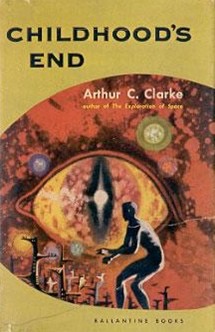
Arthur C. Clarke, in Childhood’s End, paints a future of pure intellect, humans evolving to only thought, mental power. Bodies no longer needed. The novel is evocative and prescient, like most of Clarke’s work, but simplistic. He sees history in a linear fashion: moving from unrefined (that would be us) to refined (that would them),…
-
Connecting

Existentialism is a humanism. Actually, it is. It asks us to focus on our current lives, not dwell on a past or future that may not even exist. Or to fixate on why we can’t do something, to hold onto constraints – and Lord knows we all have constraints – as the reason for not…
-
Rediscovering Plato
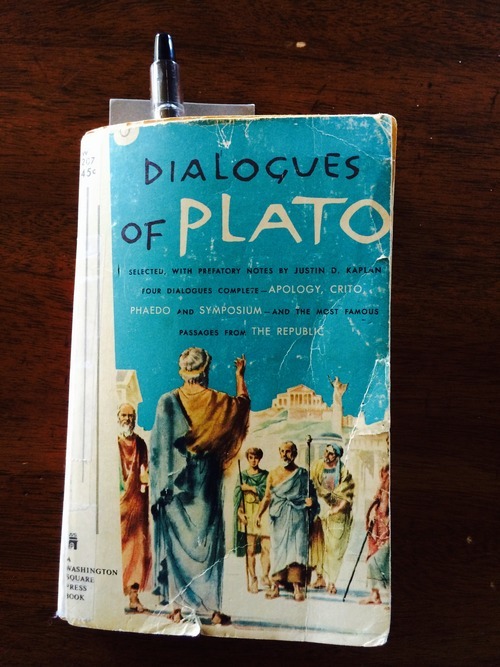
I studied rhetoric at U.C. Berkeley in the 1980s. It was a thrilling intellectual ride and slightly counter-culture decision to study classics and history during those go-go days of Wall Street and Ivan Boesky (he of the “greed is good” mantra) and Michael J. Fox’s yuppie character Alex P. Keaton on the hit T.V. series…
-
Sartre, Now
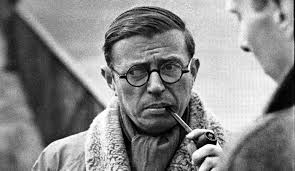
Jean Paul Sartre writes about now; about here: what he is experiencing and feeling at any given moment; and most intriguingly, what the objects around him ‘feel’ and project and demand. He is ‘present’ as we would now say, watching and trying, very hard, to capture the essence of being human, of existing in an…
-
Philosophy at Work
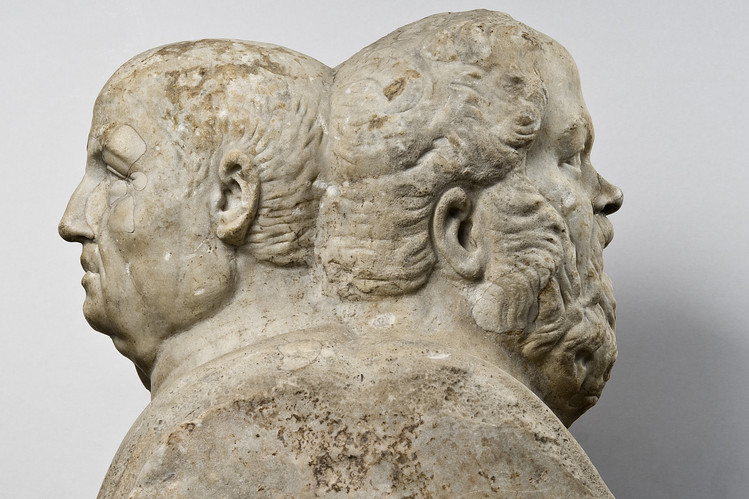
The unimaginable – certainly the unpredictable – continues, literally every day, in American politics. Strong feelings swirl across the political and cultural spectrum. Families, friends, co-workers, partners are embattled, angry, anxious; exhausted. I’m in the same boat, so felt it was a good opportunity to put Alain de Botton’s “Consolations of Philosophy” to work — namely,…
-
Meditations on Descartes

We do not stop to question what is real. We interact with the world, the physical reality around us, and never question its authenticity. We interact with people, and ourselves, and never question that they – and us – are real. And yet we don’t really know. It’s fascinating that humans will delve into intricate…
-
Dreams of Lord Jim
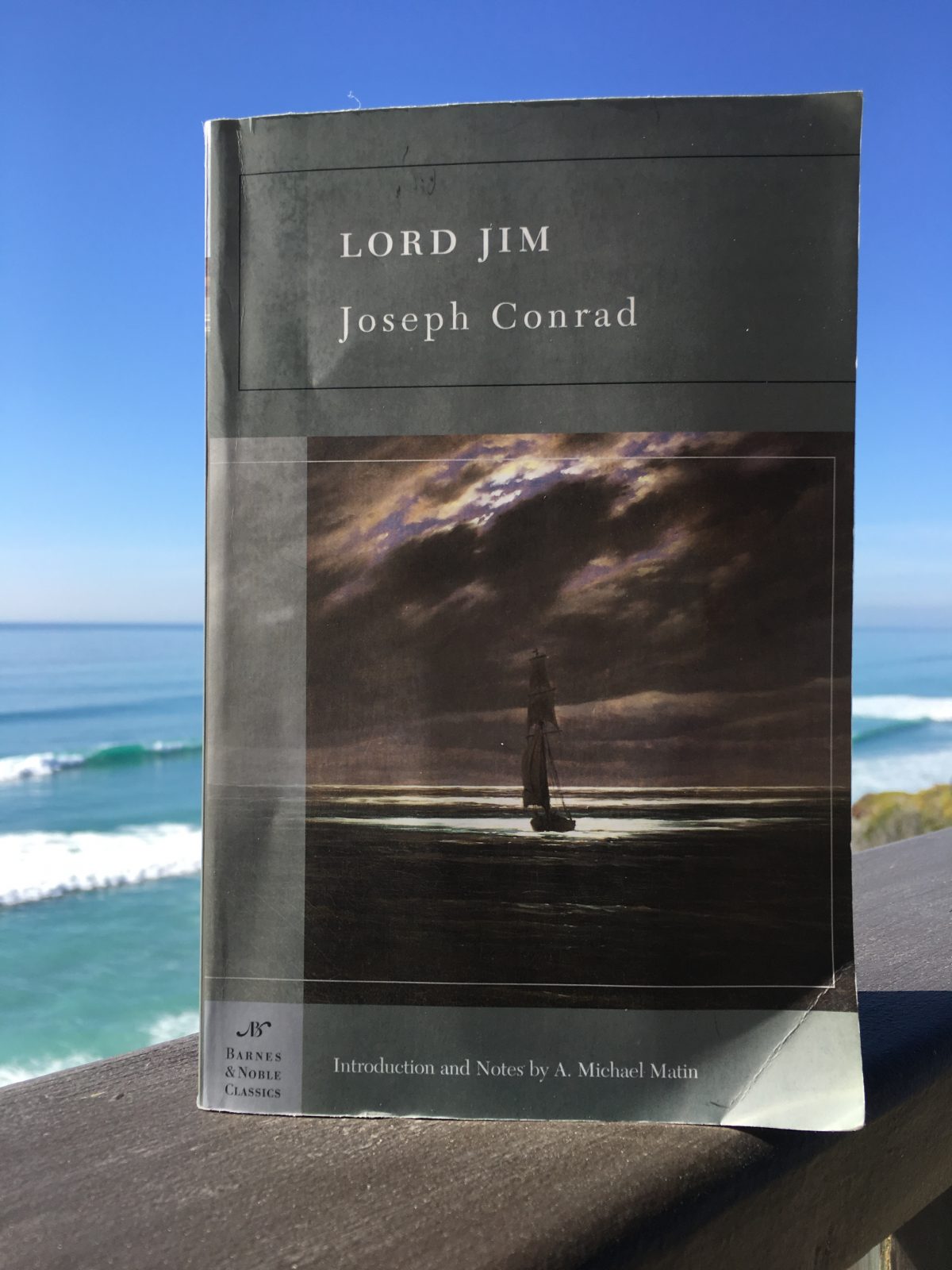
Two things stand out for me regarding Lord Jim. First, the writing – sentence structure, syntax, dialogue – is extremely high quality. Like reading Dickens at his best – the text flows effortlessly, each word, each phrase perfectly selected and placed to accomplish its syntactical and narrative mission. Pages turn easily, leisurely, yet powerfully, like…
Words to Live By
One evening I saw a red sunset, its rays falling on the trunks and foliage of pines growing among a tumble of rocks, coloring the trunks and foliage with orange fire. It was superb.
— Vincent van Gogh
Out yonder there was this huge world, which exists independently of us human beings and which stands before us like a great, eternal riddle, at least partially accessible to our inspection and thinking. The contemplation of this world beckoned like a liberation . . .
— Albert Einstein
Learning is the only thing which the mind can never exhaust, never alienate, never be tortured by, never fear or distrust, and never dream of regretting.
— T. H. White
It was as if God had lifted his baton sharply above the endless orchestration of the seas, and the eternal movement had stopped, suspended in the timeless architecture of the absolute.
— Thomas Wolfe
I’m not saying ability doesn’t matter. It certainly helps. But there’s something powerful about realizing that you’ve undersold yourself — that somehow your mind confused lack of effort for inability.
I am incapable of conceiving infinity, and yet I do not accept finity. I want this adventure that is the context of my life to go on without end.
— Simone de Beauvoir
Learning is the only thing which the mind can never exhaust, never alienate, never be tortured by, never fear or distrust, and never dream of regretting.
— T. H. White
We read to know we are not alone.
— C.S. Lewis
The only way to deal with an unfree world is to become so absolutely free that your very existence is an act of rebellion.
— Albert Camus
Attention is the rarest and purest form of generosity.
— Simone Weil
I am incapable of conceiving infinity, and yet I do not accept finity. I want this adventure that is the context of my life to go on without end.
— Simone de Beauvoir
There was never any more inception than there is now, Nor any more youth or age than there is now; And will never be any more perfection than there is now, Nor any more heaven or hell than there is now.
— Walt Whitman
Darkness cannot drive out darkness, only light can do that. Hate cannot drive out hate, only love can do that.
— Martin Luther King, Jr.
The process: sitting at your desk, focusing your mind like a laser beam, imagining something out of a blank horizon, creating a story, selecting the right words, one by one, keeping the flow of the narrative on track — requires far more energy, over a long period, than most people ever imagine.
— Haruki Murakami
Man is nothing other than his own project. He exists only to the extent that he realizes himself, therefore he is nothing more than the sum of his actions, nothing more than his life.
— Jean-Paul Sartre
A man sees in the world what he carries in his heart.
— Johann Wolfgang von Goethe